Romanzi Teatrali - “Woodcutters ” by Thomas Bernhard

Romanzi Teatrali - “Woodcutters ” by Thomas Bernhard

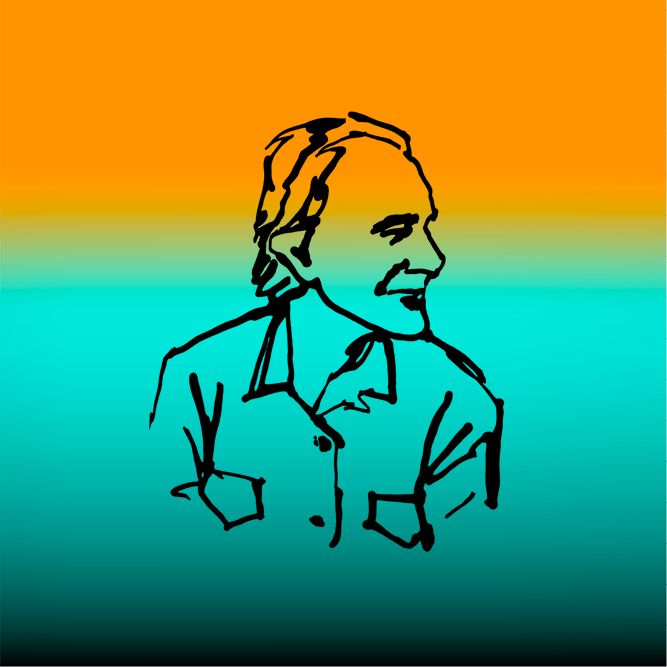
Woodcutters by Thomas Bernhard, a conversation with Sandra and Paolo Di Paolo, readings by Lino Guanciale and Camilla Semino Favro

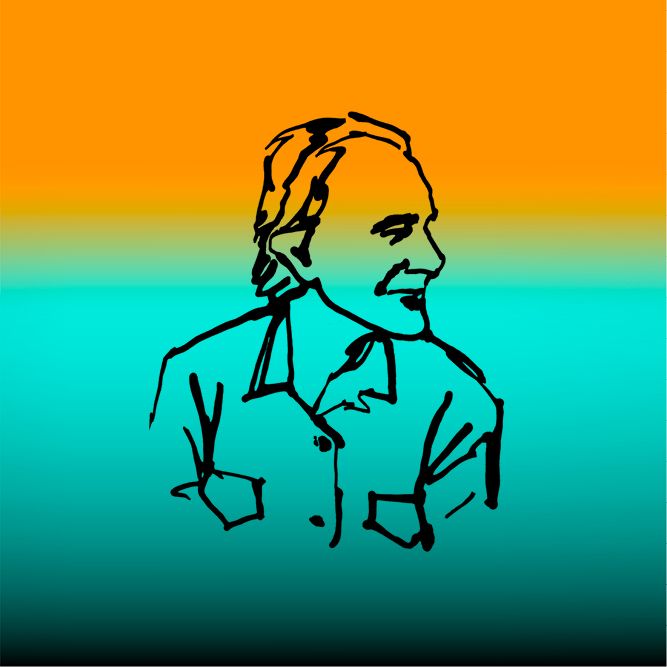
Vienna, the 1980s. Following a performance at the Burgtheater of Ibsen’s The wild duck, a group of people wait to begin dinner - with some impatience and growing hunger - in the elegant apartment of the Auersberger’s, she a singer and he a composer. Sitting in an armchair with a glass of champagne in hand, the main character and narrator describes to the reader everything he sees and hears, using implacable harshness (cutting, just like a woodcutter) and unparalleled sarcasm to describe the tics, manias and miseries of a certain social circle that he himself is part.

Thomas Bernhard (1931-1989) Born in the Netherlands, where his mother, who had conceived him out of wedlock, fled to give birth, Thomas Bernhard - author, playwright, poet and journalist - spent most of his life in Austria, and is considered as one of the greatest German-language writers of the twentieth century. Published in 1984, Woodcutters is the second book (dedicated to the theatre) in the so-called Arts Trilogy, which also includes The loser (1983, which focuses on music) and Old masters (1985, on the theme of painting).


Tuesday 18 May 2021 at 6 p.m.
Woodcutters by Thomas Bernhard
A conversation with Sandra and Paolo Di Paolo
Readings by Lino Guanciale and Camilla Semino Favro

Romanzi teatrali - “Between the acts” by Virginia Woolf

Romanzi teatrali - “Between the acts” by Virginia Woolf

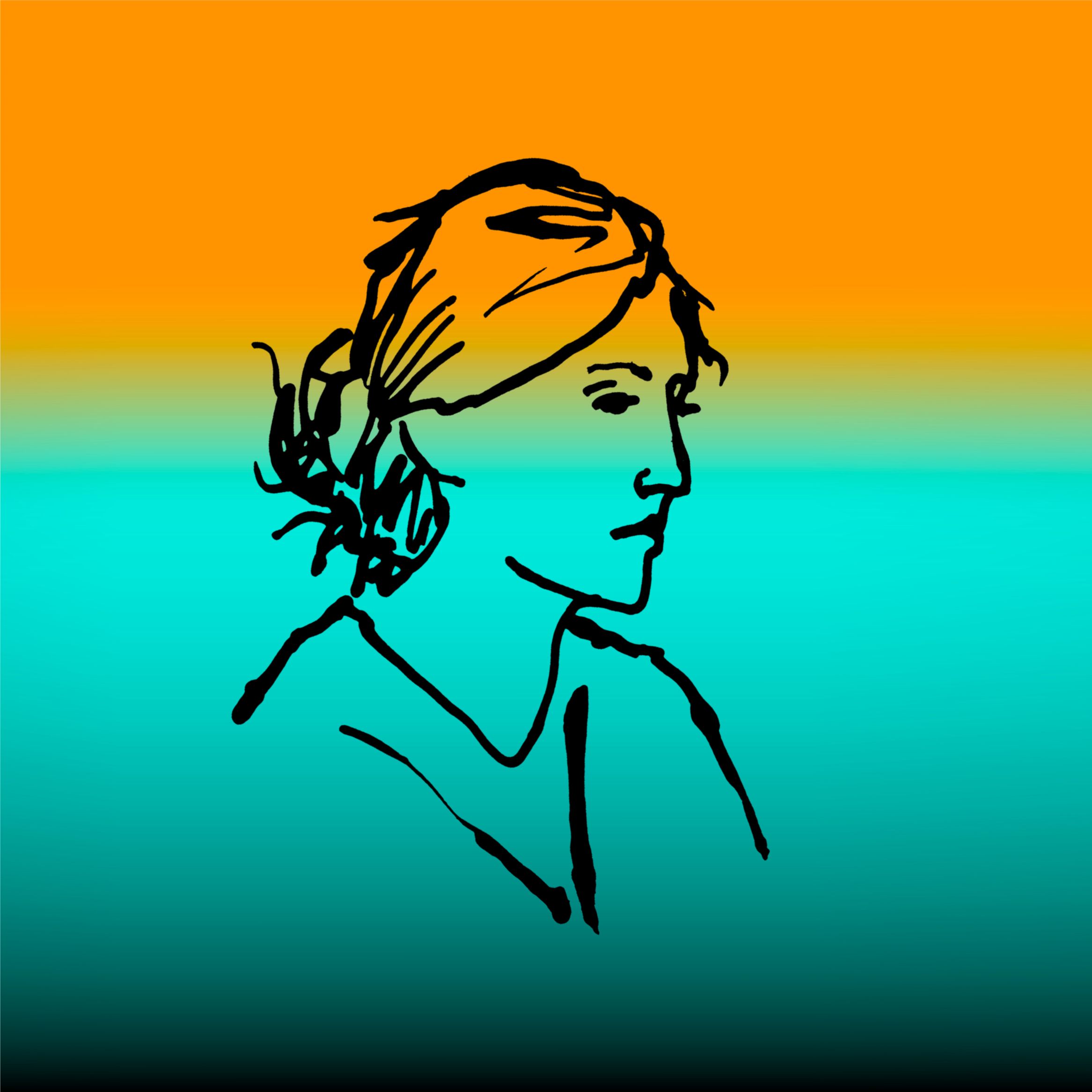
Between the acts by Virginia Woolf, a conversation with Nadia Fusini and Paolo Di Paolo, readings by Camilla Semino Favro


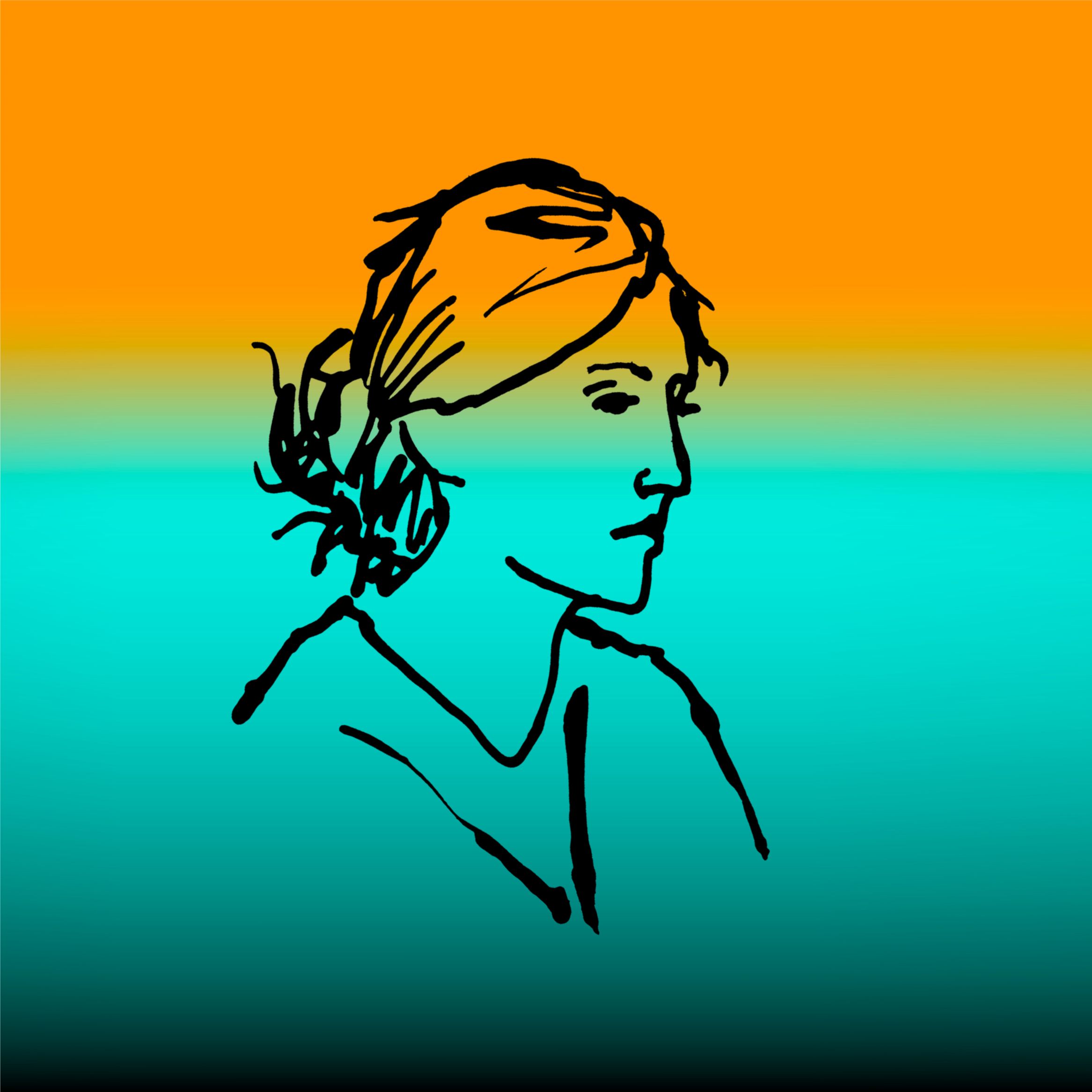
Virginia Woolf’s last novel, the manuscript that the author left on her desk together with the two farewell letters addressed to her sister and her husband on the morning she left the house to go and drown herself in the nearby river Ouse. The two acts of which the novel speaks are those of an amateur play performed in a village in the heart of the English countryside. The interval is the moment in which the author set the dynamics that exist between the “real” people, the characters with their own existence, in the moment that they cease to be spectators of the play being staged.


Virginia Woolf (1882-1941) Born in London in 1882, Virginia Stephen had a cultured and upper-class upbringing. She became part of the so-called “Bloomsbury Set”, a group of intellectuals that took their name from the London district of the same name, where she met Leonard Woolf, the man who was to become her husband. One of the greatest exponents of the technique of stream of consciousness - which consists of presenting in written form the thoughts of an individual in a manner similar to how they would come to mind -, her works included To the lighthouse, Mrs Dalloway, and Orlando.


Tuesday 11 May 2021 at 6 p.m.
Between the acts by Virginia Woolf
A conversation with Nadia Fusini and Paolo Di Paolo
Readings by Camilla Semino Favro

Romanzi teatrali - “Les volets vert” by Georges Simenon

Romanzi teatrali - “Les volets vert” by Georges Simenon

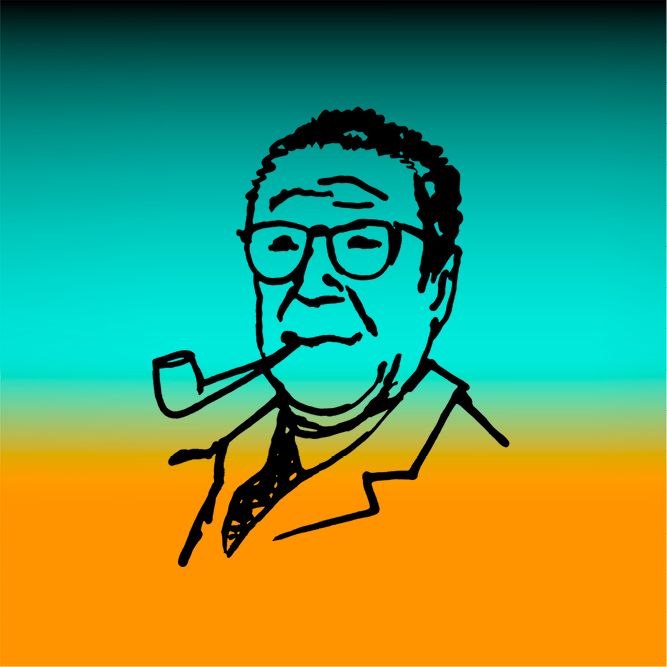
Les volets vert by Georges Simenon, a conversation with Valerio Magrelli and Paolo Di Paolo, reading by Lino Guanciale

Tuesday 4 May 2021 at 6 p.m.
Les volets vert by Georges Simenon
A conversation with Valerio Magrelli and Paolo Di Paolo
Reading by Lino Guanciale

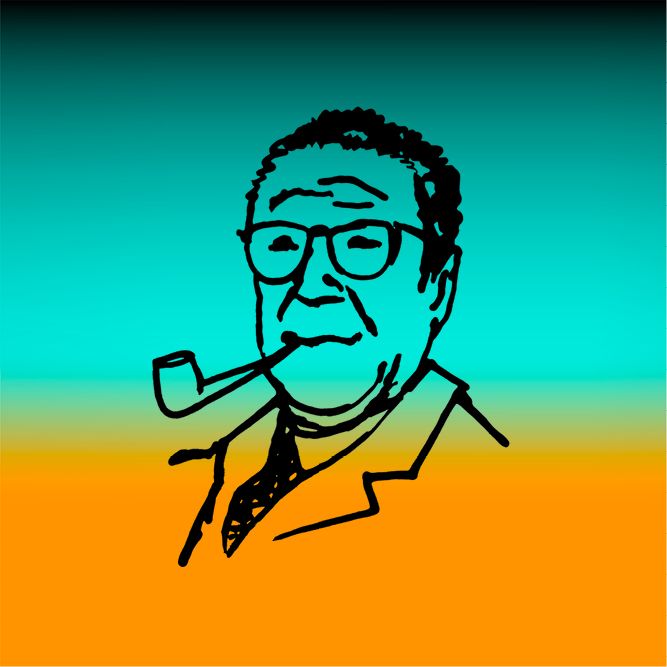
With a plot that shifts between the present and the past, between reality and memory, the novel presents the lift of an elderly Parisian actor, Émile “the great Maugin”, a man who has fought to escape from poverty to become rich, famous and successful. Maugin has every reason to be happy, surrounded by a “court” of friends and acquaintances who tolerate his arrogance, his theatricality and his manias both small and large. When a medical check-up reveals that he has heart problems - “a sort of soft and withered pear” where his left ventricle ought to be - his sense of security is shaken.


Georges Simenon (1903-1989) Famous worldwide for having created the figure of the detective Maigret, Georges Simenon was one of the most prolific authors of the twentieth century. His work (approximately 500 titles, some published under a pseudonym) cover the most wide-ranging of literary genres, from detective novels to noir, from “yellowbacks” to serial novels, as well as psychological thrillers. A Belgian-born francophone, both his working and private lives were fraught with anxiety. It was said that he could write up to eighty pages a day, in one go, without any particular preparation.

Romanzi teatrali - "A theatrical novel" by Michail Bulgakov

Romanzi teatrali - "A theatrical novel" by Michail Bulgakov

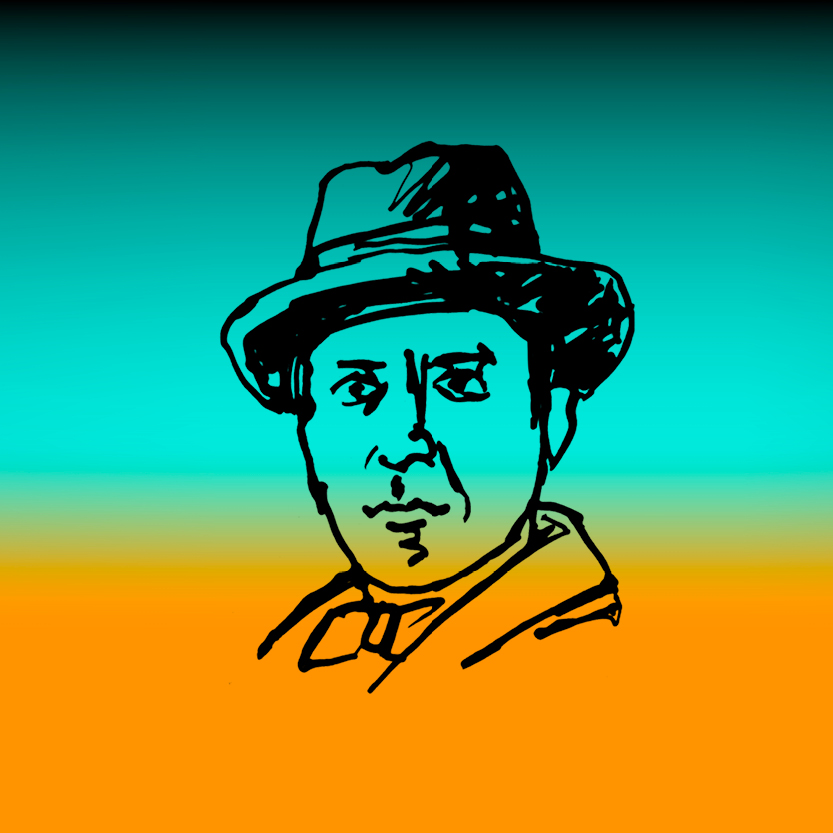
A theatrical novelo by Michail Bulgakov, a conversation with Serena Vitale and Paolo Di Paolo, readings by Lino Guanciale and Camilla Semino Favro

Tuesday 27 April 2021 at 6 p.m.
A theatrical novel by Mikhail  Bulgakov
A conversation with Serena Vitale and Paolo Di Paolo
Readings by Lino Guanciale and Camilla Semino Favro

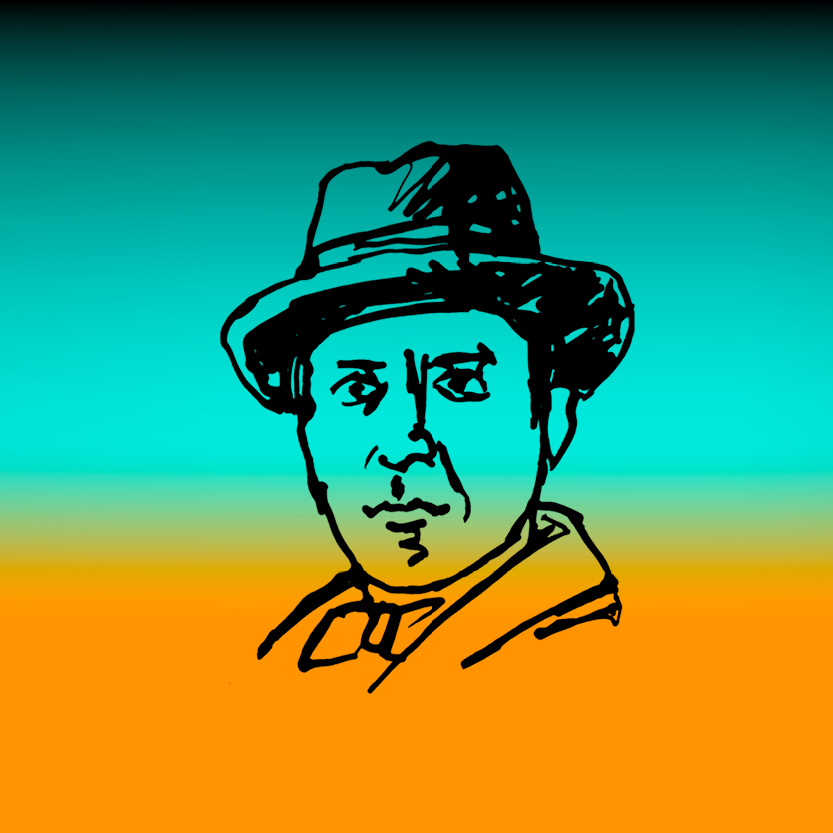
Desecrating and bitterly ironic, A theatrical novel is the paraphrasing of Bulgakov’s true experiences when he collaborated at the Moscow Art Theatre with  Konstantin Stanislavski and Vladimir Nemirovič-Dančenko, the two great artistic characters from the early twentieth century in Russia. In the work, which is intended as a sort of prologue to his suicide, the lead character, Maksudov, paints an irreverent portrait of a world that he approaches with enthusiasm and by which he finds himself tragically rejected.

Mikhail Afanasyevich Bulgakov (1891-1940) was the author of a number of undisputed masterpieces of world literature, first and foremost The Master and Margherita, as well as Heart of a dog and The white guard. A novelist and playwright, Bulgakov suffered Soviet censorship his entire life. Brilliant, with a boundless imagination, he was a severe critic of the hypocrisy and conformism that characterised society at the time, and was misunderstood by his peers, only to be rediscovered and given his rightful recognition in the latter part of the twentieth century.


Romanzi teatrali

Romanzi teatrali

A journey of words and images presenting the theatre through alternative forms and languages.

The writer Paolo Di Paolo has created for the Piccolo Teatro di Milano a journey of words and images presenting the theatre through alternative forms and languages. To create the journey, which has been designed in small video bites for digital broadcasting, Di Paolo will choose a series of novels from different periods in the history of international literature but all united by the presence of theatrical elements in the story: descriptions, dialogue and theatrical works that become part of the plot, enter the lives of the characters and create a subtext. These fragments, in which the theatre becomes the subject of the written word, will be the cornerstone of the project.  The chosen excerpts will be read by Lino Guanciale and Camilla Semino Favro, and will be the subject of a series of six conversations conducted by the curator with important contemporary Italian writers who will be asked to apply their personal tastes and sensibilities to presenting and commenting on the chosen author and novel. The presentation will be enriched with the illustrations of an artist, Andrea Colombo, who will transform into images the ideas that emerge from the reading of the excerpts selected and the conversations with the writers present. 

When a curtain is raised within a novel, something unexpected happens. It is not simply a matter of situations involving actors, but rather a mysterious dialogue between narration and theatre, which shakes up the prose, animates the style and encourages reflections on the “performance of life” between one act and the next in our existence. A play is staged in the pages of a novel: there is a great actor struggling with physical decline, there is a community of travelling actors wearing new masks, a number of them from daily life, there is a playwright who finally sees their work on a famous stage (and from the darkness of the stalls imagines the reactions of the spectators and the people they love), there is a writer fighting a battle against his time and the theatres of his country, there is an age-old tradition of puppets that leads a man to spend his life in pursuit of the theatrical dream. Each story adds a point of view, a different emotional material. The creak of the boards at the front of the stage, the lights that come on, the applause that finally comes, the chatter of the audience - and all the unease, the worry, the amazement, the indignation; all the discoveries and the dreams of the “theatrical novels” that we experience on stage and off. (Paolo Di Paolo)


Tuesday 27 April 2021 at 6 p.m.
A theatrical novel by Mikhail  Bulgakov
A conversation with Serena Vitale and Paolo Di Paolo
Readings by Lino Guanciale and Camilla Semino Favro


Tuesday 4 May 2021 at 6 p.m.
Les volets verts by Georges Simenon
A conversation with Valerio Magrelli and Paolo Di Paolo
Readings by Lino Guanciale


Tuesday 11 May 2021 at 6 p.m.
Between the Acts by Virginia Woolf
A conversation with Nadia Fusini and Paolo Di Paolo
Readings by Camilla Semino Favro


Tuesday 18 May 2021 at 6 p.m.
A colpi d’ascia by Thomas Bernhard
A conversation with Sandra Petrignani and Paolo Di Paolo
Readings by Lino Guanciale and Camilla Semino Favro


Tuesday 25 May 2021 at 6 p.m.
Ragazza, donna, altro di Bernardine Evaristo
A conversation with Igiaba Scego and Paolo Di Paolo
Readings by Camilla Semino Favro


Tuesday 1st June 2021 at 66 p.m.
Gli anni di apprendistato di Wilhelm Meister di Johann Wolfgang von Goethe
A conversation with Paola Capriolo, Gabriele Vacis and Paolo Di Paolo
Readings by Lino Guanciale


Milano liberata. Cronaca di ore memorabili

Milano liberata. Cronaca di ore memorabili

A video project in celebration of Liberation Day and created in collaboration with schools.


To celebrate Liberation Day, the Piccolo Teatro di Milan has decided to collaborate with schools to create an educational video project entitled Milano Liberata. Cronaca di ore memnorabili, which will be broadcast on Sunday 25 April on the theatre’s social network profiles. The video is the final result of a process that began in January, involving students from the Virgilio high school in Milan. Under the guidance of the video maker Riccardo Frati, the youngsters were encouraged to study the history and memory of the country through personal and photographic documentation. The final result of the research is also an account of those days of Resistance, and of April 1945, which led to the liberation of Milan and the rest of Italy, presented in an original manner, with the viewpoint and sensitivity of the youngsters involved, who are of the same age of some of the partisans that gave their lives in the name of Freedom. The texts are read by the students themselves, providing a new echo to those dramatic moments that becomes the soundtrack to a video, interweaving the voices with period images, archive documentation and maps of the city as it appeared at the time, with the emotional geography of the places and the streets that served as the theatre for Resistance and Liberation.

Primo Maggio | Opera

Primo Maggio | Opera

A reflection on Workers’ Day.

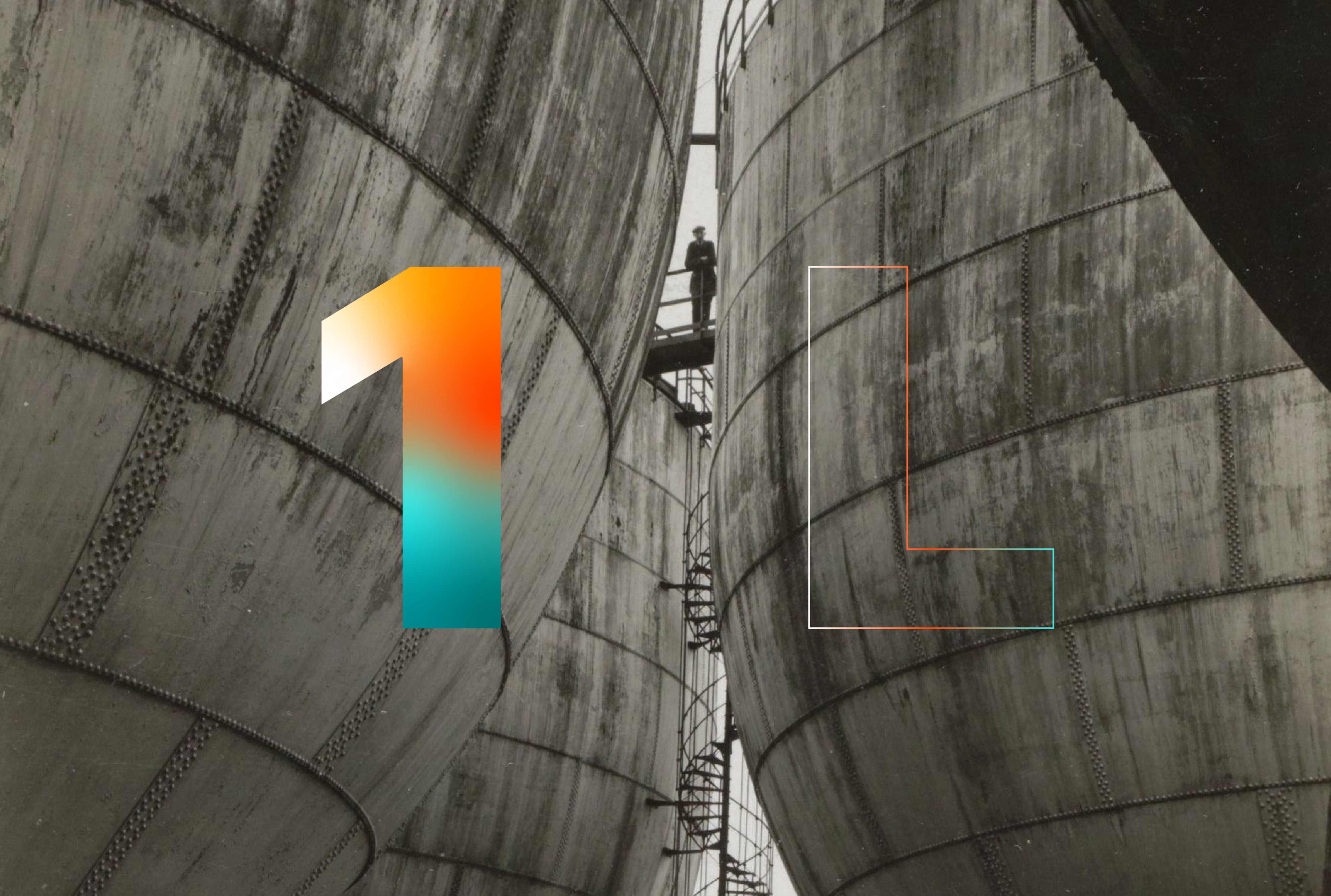
As part of the Piccolo Smart project, the chapter dedicated to the “calendario civile” and the tribute that the Piccolo intends to pay continues and grows, motivated by the institutes roots as a public service and its identity as “An Art Theatre for All”. Upcoming dates from Italy’s popular and democratic history that the project aims to celebrate include 1 May and 9 May, as well as 2 June, near which will be brought together in a single digital presentation created in the spirit of the “Abbecedario per il mondo nuovo”, first with the series of podcasts that inaugurated PiccoloSmart, and then with the reopening of the theatres and four days of rehearsals open to the public. The spin-off of the Abbecedario will be meaningfully entitled Abbecedario Civile, and brings together three dates, three letters and three different languages: L for lavoro (labour) for 1 May, (through writing), E for Europe, for 9 May (in the form of audio/podcast), R for Repubblica for 2 June (in video form). The same playwrights involved in the “Abbecedario per il mondo nuovo” project will be called on to lend their original interpretation to these three moments in Italian popular culture (and more), divided into three groups, one for each letter.


1° maggio – L come Lavoro
The first group – comprised of Ian Bertolini, Rosalinda Conti, Christian di Furia, Tommaso Fermariello, Valentina Gamna, Carlo Guasconi, Marco Morana, Pier Lorenzo Pisano, Luca Tazzari, Michelangelo Zeno – will compose texts in whatever form they prefer, be it poetry or prose, of social importance, which they have been asked to set in a public context. The final work will have the collective name of Opera: “In our writing, we will be concentrating on the relationship between time and work. In order to create a sense of unity, we have based the structure on the parts that make up an Opera. This decision is based on the idea of time and of the rhythm of work, and on the idea of opera as an artisan product”.
Read on Medium


Europa in sette tempi

Europa in sette tempi

As part of the Piccolo Smart project, the chapter dedicated to the “calendario civile” and the tribute that the Piccolo intends to pay continues and grows, motivated by the institutes roots as a public service and its identity as “An Art Theatre for All”. 9 May is Europe Day. This date commemorates the day in 1950 on which Schuman presented the programme for economic cooperation that marked the beginning of European integration and laid the foundations for a future federal union. For this occasion, the programme of the Piccolo Teatro’s Abbecedario Civile, a project created as a spin-off of the Abbecedario per un mondo nuovo, encounters a new date and therefore a new letter and a new language. Europa in sette tempi is the audio podcast created by the playwrights involved in the project to express the E for Europe.


Europa in sette tempi
9 May
The seven playwrights Francesco Bianchi, Maria Teresa Berardelli, Greta Cappelletti, Stefano Fortin, Valeria Patota, Martina Ruggeri/Industria Indipendente and Michele Ruol present their Europe in seven parts: In the distant future, time capsules are uncovered. Each capsule is a message. Each message is an expression of what we feel Europe is. The Europe of our present, our past and our future...

Ascolta "E come Europa" su Spreaker.

2 giugno – Festa della Repubblica

2 giugno – Festa della Repubblica

Nel 1949, il 2 giugno è stato dichiarato Festa nazionale della Repubblica per ricordare il giorno in cui tre anni prima si era svolto il referendum con cui gli Italiani votarono per cambiare la forma di governo del paese da monarchia a repubblica costituzionale.


2 giugno 2022

Nel 2022 abbiamo invitato 12 concittadine e concittadini a leggere i primi 12 articoli della nostra Costituzione.


2 giugno 2021

Nel 2021, il palinsesto del nostro Abbecedario civile, progetto nato come spin-off di Abbecedario per un mondo nuovo, ha incrociato la lettera R di Repubblica. Res Publíca ha voluto immaginare la Repubblica nella sua accezione di Stato Ideale, concetto matrice di utopie quindi un luogo di proiezioni e di desideri. Sette autori (Margarita Egorova, Riccardo Favaro, Niccolò Matcovich, Tatjana Motta, Fabrizio Sinisi, Pablo Solari, Francesco Toscani) per altrettante definizioni di Repubblica, in forma di articoli o di enunciati. Sette declinazioni di un luogo interiore, immaginario ma non per questo inesistente, visitabile sullo schermo: «Il “corpus imago” che è emerso dalle scritture ha rintracciato luoghi depositari di resti, riflessi e proiezioni di utopie – come una pozza d'acqua, un barattolo curvo – spazi d'immaginario disponibili a ospitare le sette declinazioni di Repubblica degli autori.» (Alessandro Ferroni)

Calendario civile

Calendario civile

Words, voices and images to celebrate moments of collective memory.

As part of the Piccolo Smart project, the chapter dedicated to the “calendario civile” and the tribute that the Piccolo intends to pay continues and grows, motivated by the institutes roots as a public service and its identity as “An Art Theatre for All”. Dates from Italy’s popular and democratic history that the project aims to celebrate include 1 May and 9 May, as well as 2 June, which will be brought together in a single digital presentation created in the spirit of the “Abbecedario per il mondo nuovo”, the series of podcasts that inaugurated PiccoloSmart. The spin-off of the Abbecedario is meaningfully entitled Calendario Civile, and brings together three dates, three letters and three different languages: L for lavoro (labour) for 1 May, (through writing), E for Europe, for 9 May (in the form of audio/podcast), R for Repubblica for 2 June (in video form). The same playwrights involved in the “Abbecedario per il mondo nuovo” project will be called on to lend their original interpretation to these three moments in Italian popular culture (and more), divided into three groups, one for each letter. The first event will be an “extra” part of the Abbecedario programme, in which we will be approaching the letters via a number, 25.
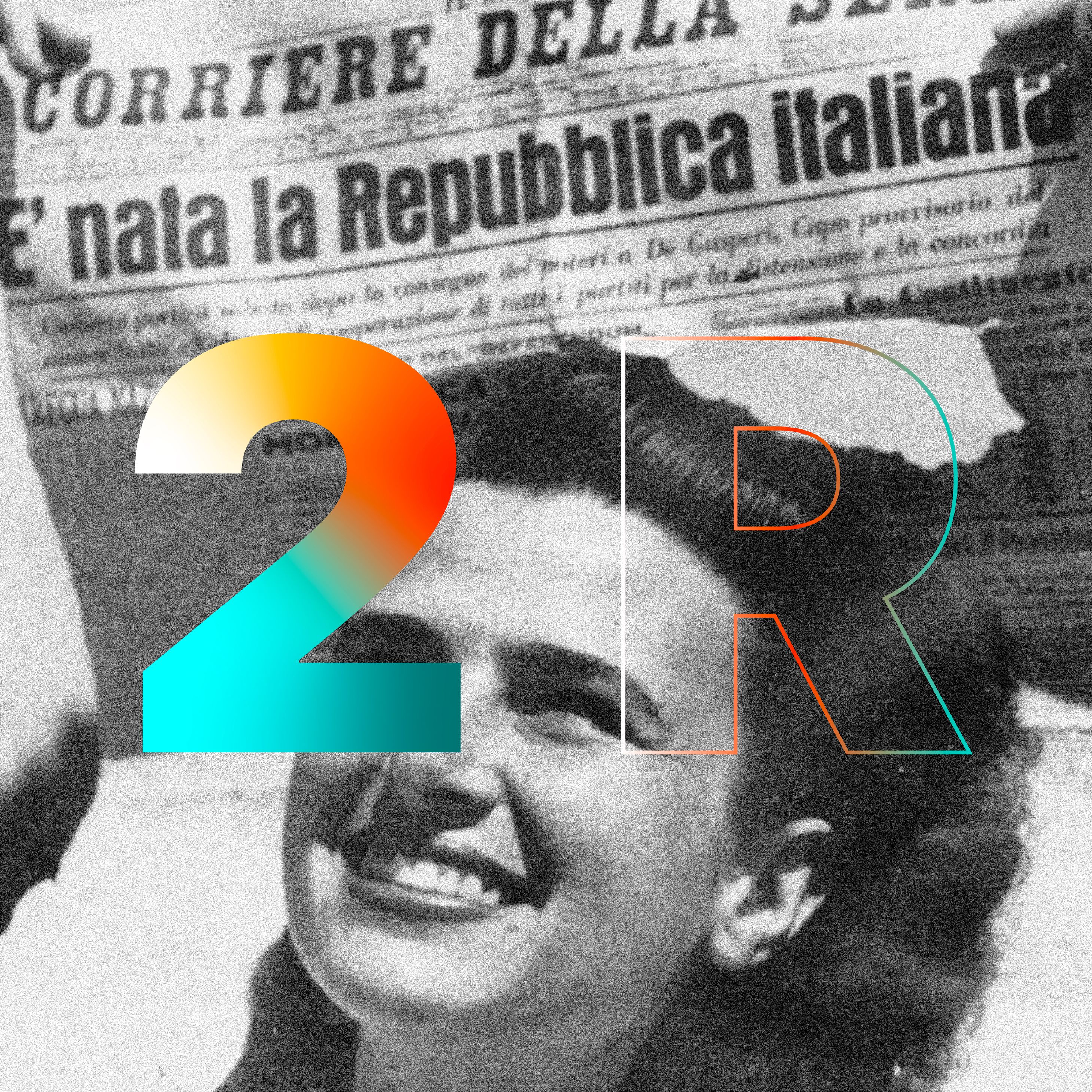
 

Res publĭca vuole immaginare la Repubblica nella sua accezione di Stato Ideale, concetto matrice di utopie quindi un luogo di proiezioni e di desideri.
Sette autori per sette definizioni di Repubblica, in forma di articoli o di enunciati. Sette declinazioni di un luogo interiore, immaginario ma non per questo inesistente, visitabile sullo schermo.
Scopri di più
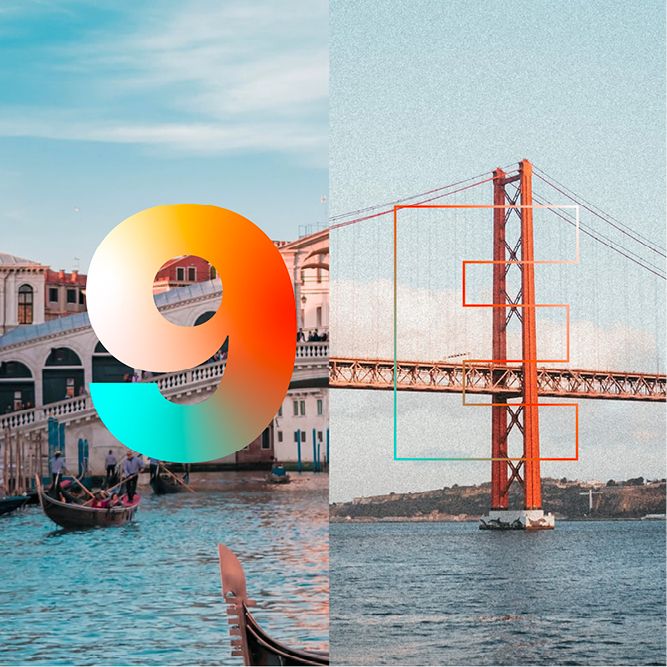


9 May is Europe Day. The programme of the Piccolo Teatro’s Abbecedario Civile, a project created as a spin-off of the Abbecedario per un mondo nuovo, encounters a new date and therefore a new letter and a new language. Europa in sette tempi is the audio podcast created by the playwrights involved in the project to express the E for Europe.
Find out more
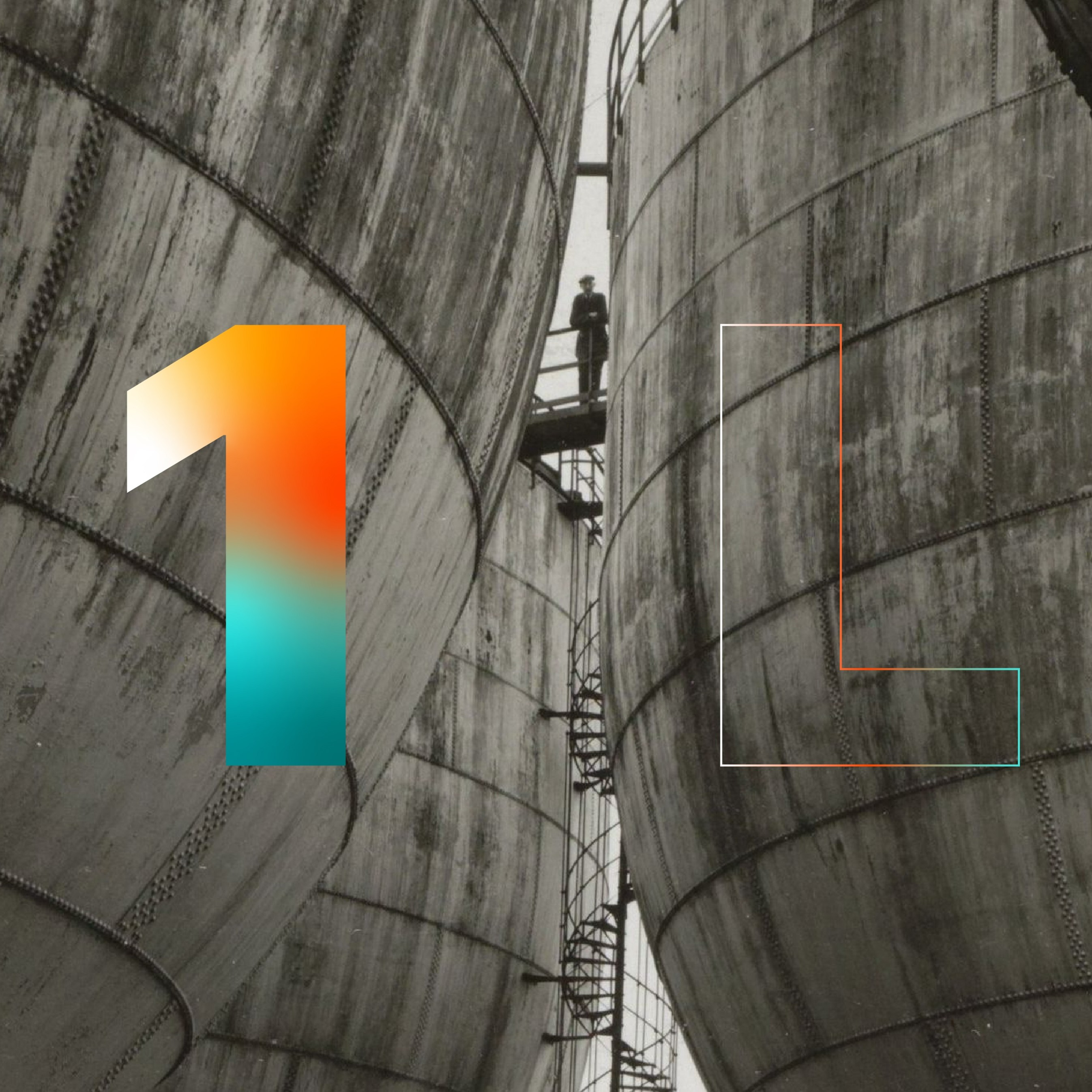


The first of May is a moment of reflection on the concept of labour. The group of young playwrights from the Abbecedario per un mondo nuovo project will create a Civil ABC, concentrating on the relationship between time and work. Each of the writers has examined on a different part of a collective work, a result of a crafting of words, a script, which in its combination of “arias”, “entr’actes” and “recitatives” - together, of course, with an “ouverture” and a “finale” - sees the varying and personal works existing in unison, following the rhythms of their respective perception.
Find out more
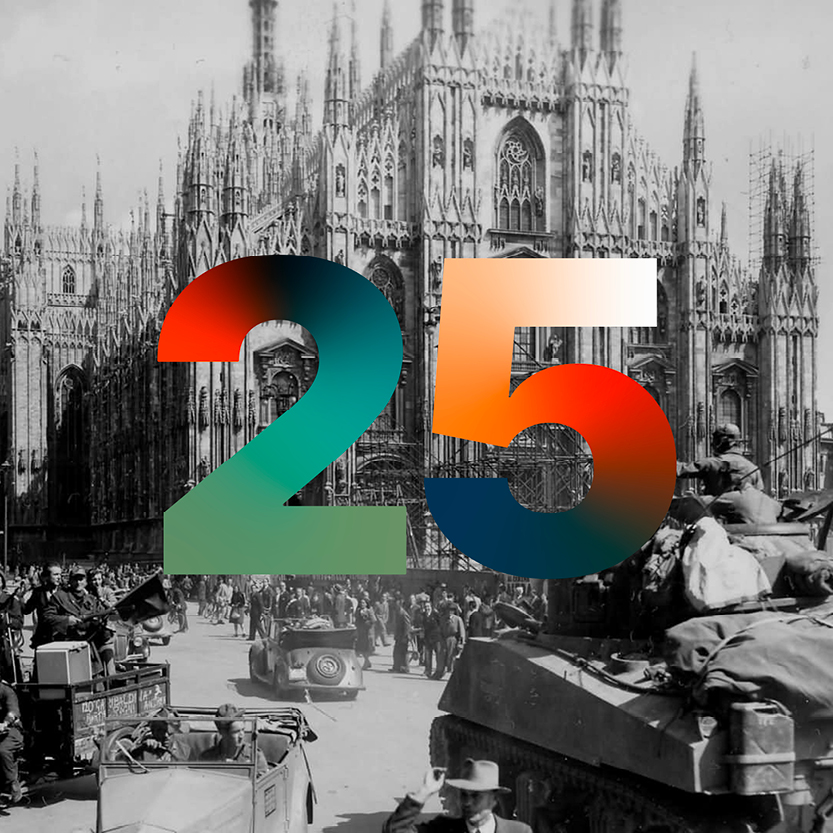
 

For Liberation Day, the Piccolo Teatro di Milano will be presenting a video project with a strongly educational aspect entitled Milano Libera. It is a story of memorable moments that will be broadcast on 25 April on the theatre's social media channels. The video is the final result of a process that began in January, involving students from the Virgilio high school in Milan. Under the guidance of the video maker Riccardo Frati, the youngsters were encouraged to study the history and memory of the country through personal and photographic documentation.
Find out more.