Romanzi teatrali - “Between the acts” by Virginia Woolf
Romanzi teatrali - “Between the acts” by Virginia Woolf
Between the acts by Virginia Woolf, a conversation with Nadia Fusini and Paolo Di Paolo, readings by Camilla Semino Favro
Virginia Woolf’s last novel, the manuscript that the author left on her desk together with the two farewell letters addressed to her sister and her husband on the morning she left the house to go and drown herself in the nearby river Ouse. The two acts of which the novel speaks are those of an amateur play performed in a village in the heart of the English countryside. The interval is the moment in which the author set the dynamics that exist between the “real” people, the characters with their own existence, in the moment that they cease to be spectators of the play being staged.
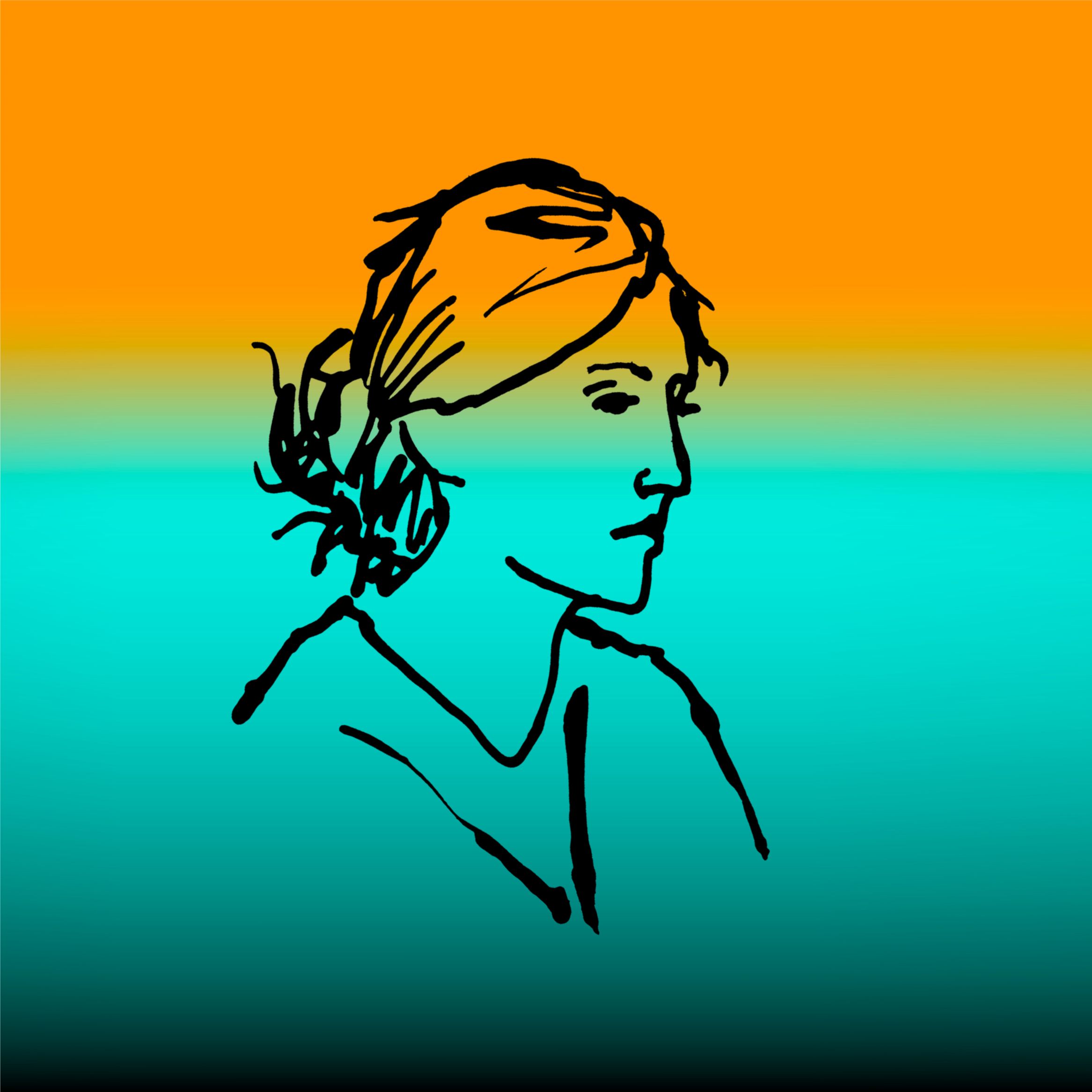
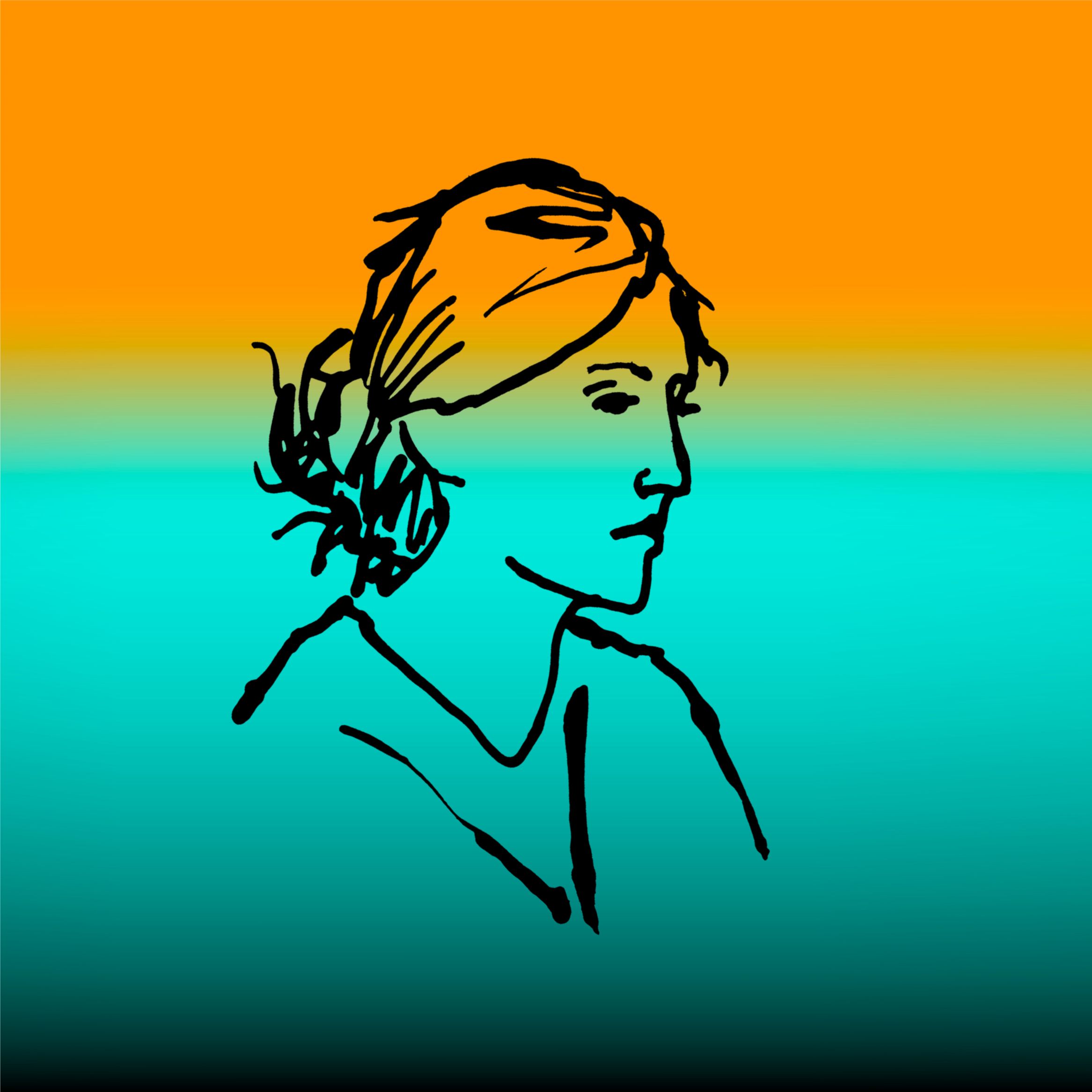 Virginia Woolf (1882-1941) Born in London in 1882, Virginia Stephen had a cultured and upper-class upbringing. She became part of the so-called “Bloomsbury Set”, a group of intellectuals that took their name from the London district of the same name, where she met Leonard Woolf, the man who was to become her husband. One of the greatest exponents of the technique of stream of consciousness - which consists of presenting in written form the thoughts of an individual in a manner similar to how they would come to mind -, her works included To the lighthouse, Mrs Dalloway, and Orlando.
Tuesday 11 May 2021 at 6 p.m.
Between the acts by Virginia Woolf
A conversation with Nadia Fusini and Paolo Di Paolo
Readings by Camilla Semino Favro
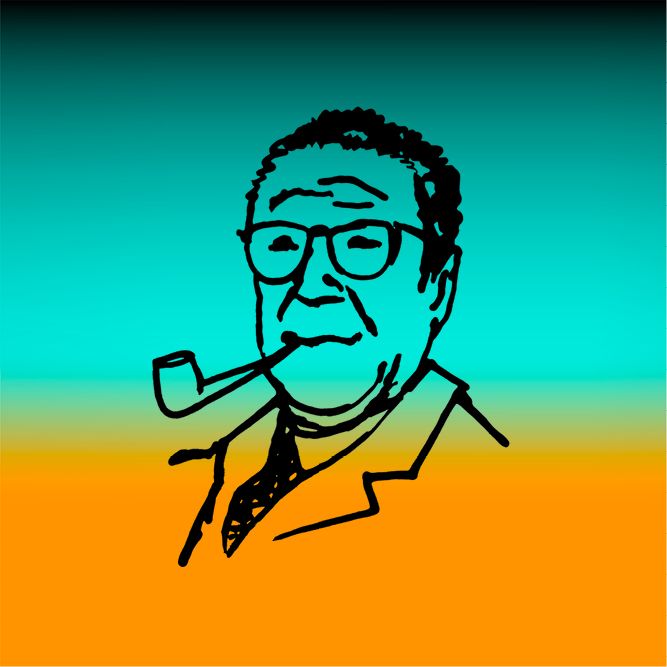
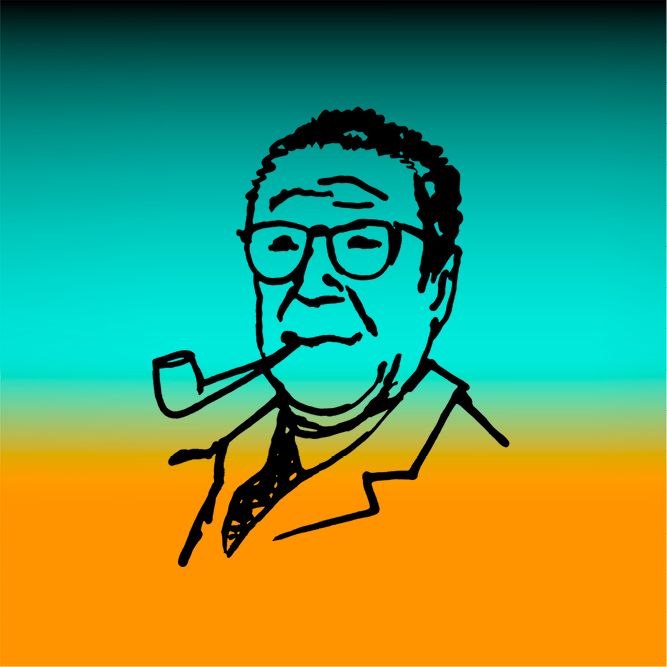 Georges Simenon (1903-1989) Famous worldwide for having created the figure of the detective Maigret, Georges Simenon was one of the most prolific authors of the twentieth century. His work (approximately 500 titles, some published under a pseudonym) cover the most wide-ranging of literary genres, from detective novels to noir, from “yellowbacks” to serial novels, as well as psychological thrillers. A Belgian-born francophone, both his working and private lives were fraught with anxiety. It was said that he could write up to eighty pages a day, in one go, without any particular preparation.
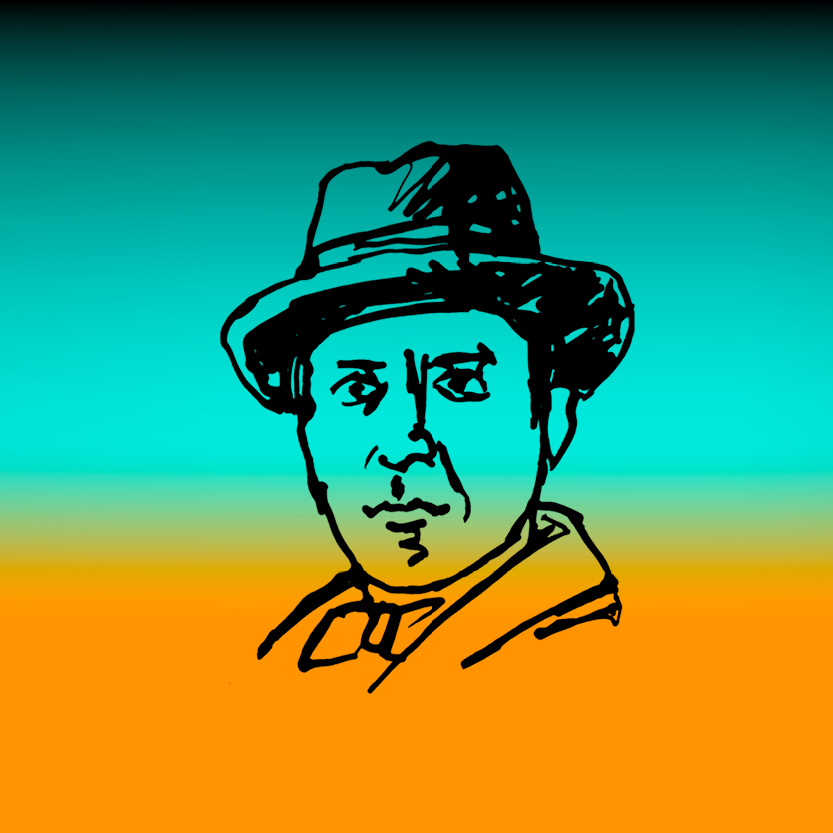
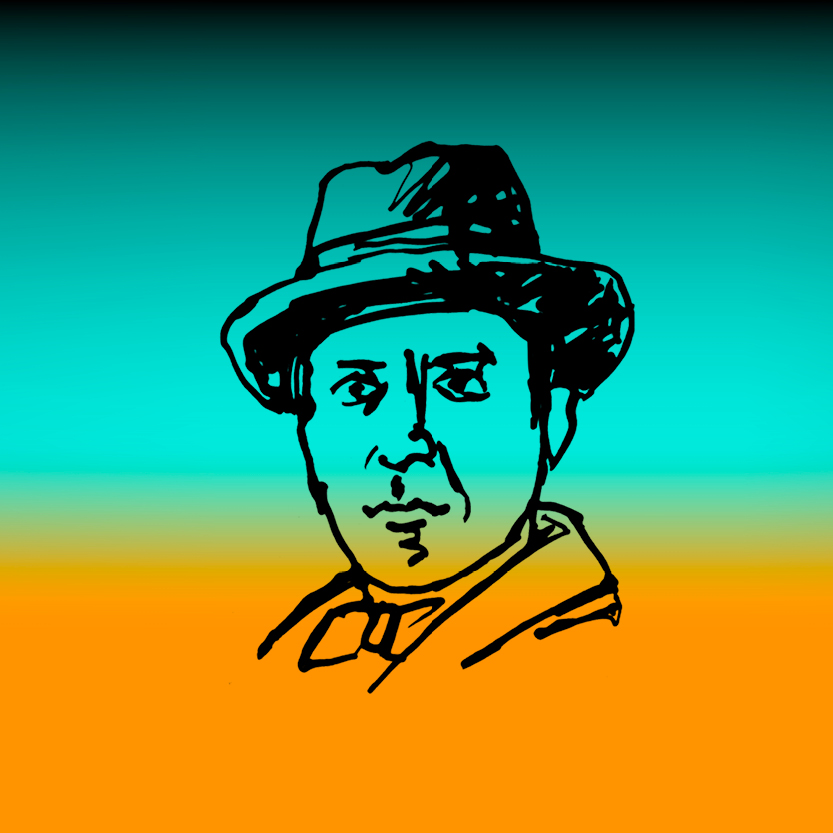 Mikhail Afanasyevich Bulgakov (1891-1940) was the author of a number of undisputed masterpieces of world literature, first and foremost The Master and Margherita, as well as Heart of a dog and The white guard. A novelist and playwright, Bulgakov suffered Soviet censorship his entire life. Brilliant, with a boundless imagination, he was a severe critic of the hypocrisy and conformism that characterised society at the time, and was misunderstood by his peers, only to be rediscovered and given his rightful recognition in the latter part of the twentieth century.